Understanding the Pilates Method
Pilates is practiced in four distinct ways across Canada. CPMS recognizes all four and classifies registered professionals by their training approach so the public can find the right fit.
Classical Pilates
A. Definition and Origin
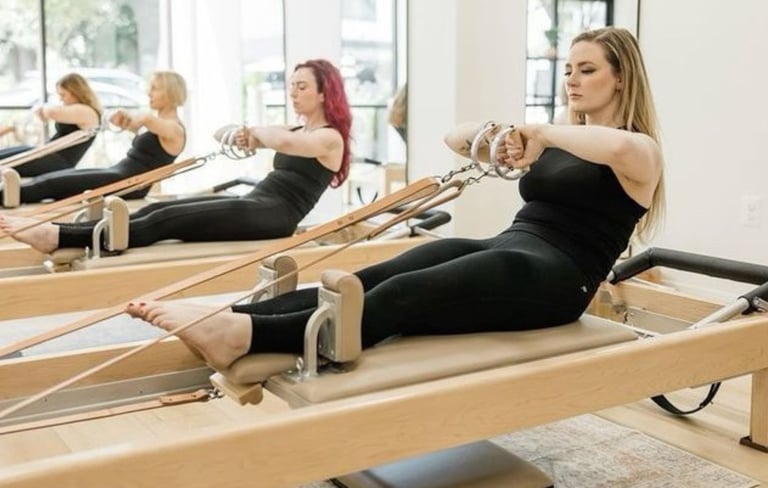
Rooted in the original teachings and equipment design of Joseph H. Pilates, maintaining the authentic sequences, spring tensions, and order of exercises he developed.
Preserves the integrity of Contrology, emphasizing the mind-body connection and precision of form.
B. Core Characteristics
Exercises are performed in a specific, unaltered sequence across the mat and apparatus.
Utilizes classically designed equipment (e.g., Gratz Reformers) with heavier spring tensions and traditional dimensions.
Prioritizes flow, precision, and control over variation or modification.
Retains the six original Pilates principles: concentration, control, centering, precision, breath, and flow.
C. Practitioner Focus
Best suited for instructors and practitioners dedicated to preserving the historical lineage and authentic teaching methodology of Joseph Pilates.
Encourages deep technical training and consistency in execution across studios worldwide.
Clinical Pilates
A. Definition and Origin
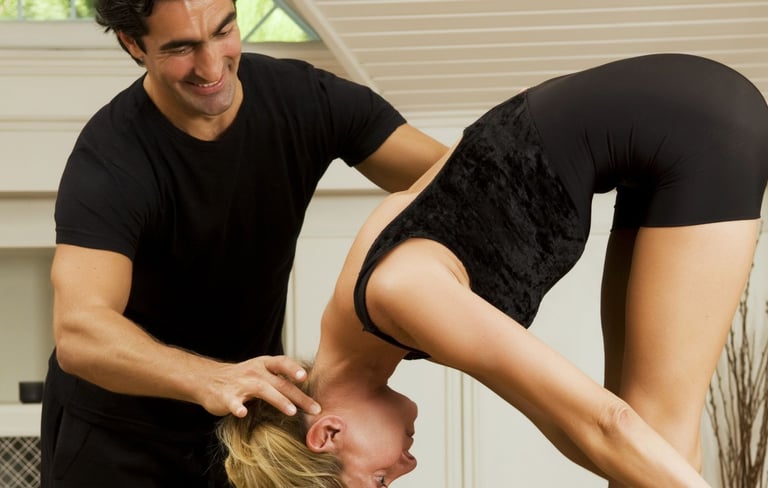
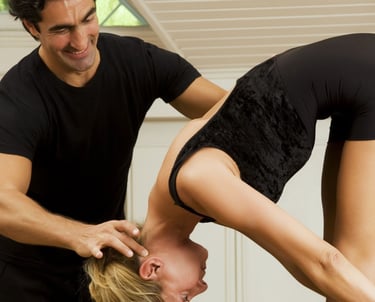
An evidence-informed approach to Pilates that integrates rehabilitation science, therapeutic exercise principles, and functional movement assessment. Developed through collaboration between physiotherapists, movement specialists, and Pilates practitioners to support recovery, pain management, and optimized movement patterns.
Clinical Pilates adapts contemporary Pilates concepts to address specific physical conditions, post-injury needs, and individualized therapeutic goals.
B. Core Characteristics
Programs are tailored to the individual, based on clinical assessment, posture analysis, movement screening, and medical history.
Exercises are modified or progressed according to functional capacity, rehabilitation stage, and therapeutic objectives.
Utilizes specialized equipment such as Reformers, Cadillacs, Chairs, and props, with spring tensions adjusted for neuromuscular re-education and safe load management.
Incorporates principles of biomechanics, motor control, neuroplasticity, and pain science to support targeted recovery.
Prioritizes correct alignment, gradual progression, and the restoration of efficient movement patterns to reduce compensation and chronic strain.
C. Practitioner Focus
Ideal for practitioners with training in rehabilitation or therapeutic applications, including physiotherapists, clinical Pilates instructors, kinesiologists, and movement therapists.
Supports clients recovering from injury, managing chronic pain, or seeking focused therapeutic intervention alongside or independent of clinical treatment.
Encourages ongoing collaboration with healthcare providers to ensure safe, coordinated, and effective care.
Contemporary Pilates
A. Definition and Evolution
A modern adaptation of the classical system that integrates current anatomical knowledge, movement science, and rehabilitation principles.
Developed to address the individual needs of clients through safe modification, progression, and functional alignment.
B. Core Characteristics
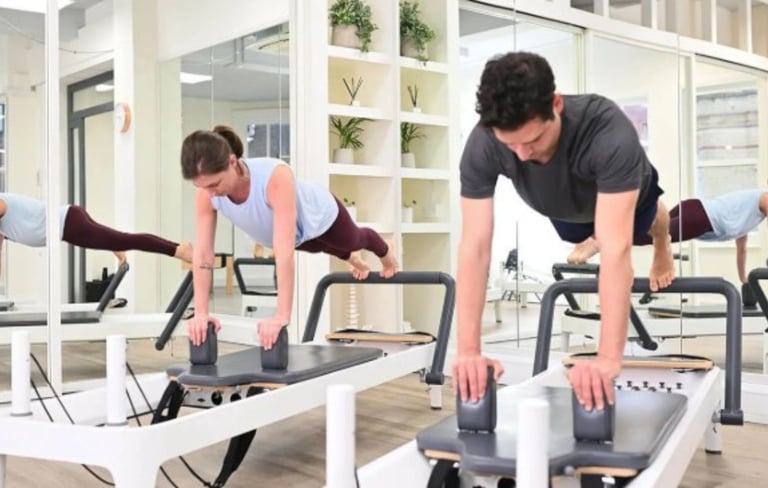
Exercises are often modified or expanded to accommodate a wider range of clients and goals.
Equipment features variable resistance with 5–6 springs, allowing for lighter or heavier loads as needed.
Emphasizes neutral spine alignment, functional movement patterns, and fascial continuity.
Encourages instructors to apply creative programming while maintaining Pilates fundamentals.
C. Practitioner Focus
Ideal for rehabilitation specialists, movement educators, and Pilates instructors seeking to integrate therapeutic exercise science into their practice.
Supports a broad range of clients, from post-rehabilitation to athletic performance enhancement.
Fitness Pilates
A. Definition and Philosophy
A dynamic interpretation of Pilates designed to enhance physical conditioning, performance, and general fitness.
Focuses on strength, endurance, and cardiovascular integration while maintaining Pilates-based movement quality and core engagement.
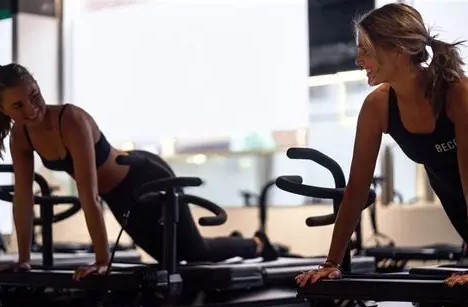
Often delivered in group class formats or studio-based conditioning programs, bridging the gap between Pilates and fitness training.
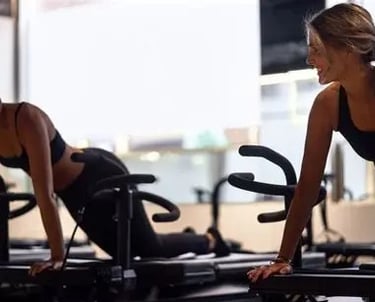
B. Core Characteristics
Incorporates higher repetitions, tempo variations, and resistance variations to improve muscular strength and stamina.
May blend Pilates equipment and props (e.g., reformer, mat, bands, weights) to create a more athletic and performance-oriented experience.
Prioritizes functional strength, balance, coordination, and overall conditioning.
Retains key Pilates principles, which are core control and movement precision, while applying them to fitness-focused goals.
C. Practitioner Focus
Designed for fitness professionals and Pilates instructors seeking to combine the foundations of Pilates with performance-based training.
Appeals to individuals focused on improving physical conditioning, body awareness, and postural endurance rather than therapeutic or lineage-based objectives.