Why Pilates is the Gold Standard for Mindful Movement: 5 Science-Backed Benefits
In the evolving landscape of Canadian wellness, few practices offer the rigorous evidence-based results of the Pilates Method. While often associated with flexibility, Pilates is a sophisticated system of movement designed to optimize the human body for the long term. By prioritizing precision and control, practitioners can unlock significant physiological and psychological advantages.
3/28/20262 min read
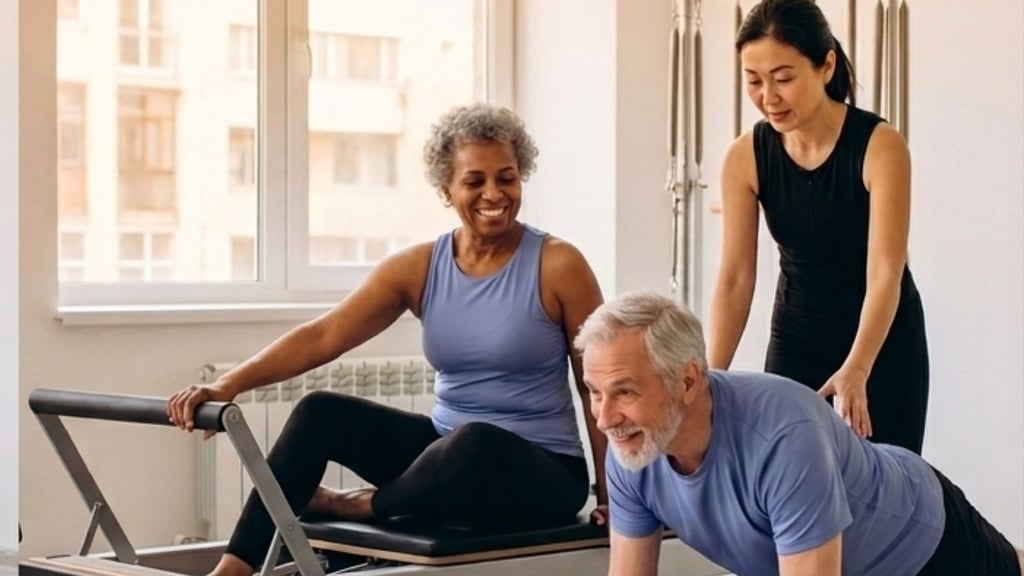
Here are five science-backed reasons to integrate Pilates into your wellness routine.
The Science of Movement: 5 Proven Benefits of the Pilates Method
In an era of fitness trends, the Pilates Method remains a pillar of evidence-based physical health. Backed by decades of study, this practice offers specific benefits for the spine, the mind, and overall longevity. Here is what the science says about adding Pilates to your routine.
1. Building a Resilient Core
Scientific literature highlights Pilates as a premier method for developing core endurance. This isn’t just about aesthetics; a resilient core protects the internal organs and stabilizes the spine, which is the key to effortless posture.
Practical Example:
Maintaining a neutral spine during "Bird-Dog" exercises trains your body to keep its natural curves while performing complex tasks.
2. Evidence-Based Back Care
Pilates is frequently recommended by healthcare providers for back health. Pilates facilitates the decompression of the spine and strengthening of the deep core muscles, which helps alleviate pressure on the discs and nerves.
Practical Example:
Small, controlled movements like the "Pelvic Tilt" help re-educate the muscles around the lower back to release chronic tension.
3. Rehabilitation and Prehab
Whether recovering from surgery or preventing future issues, Pilates provides a customizable environment for healing. Its emphasis on proper mechanics ensures that joints stay healthy and muscles remain balanced.
Practical Example:
Using the resistance of the springs to perform footwork helps rebuild strength in the lower limbs following an injury without placing undue stress on the joints.
4. Cultivating Mental Resilience
The neurological benefits of Pilates are significant. The focus required for the exercises promotes neuroplasticity and helps reduce symptoms of anxiety and depression through controlled, intentional movement.
Practical Example:
Focusing on the sequence of a "Roll Down" encourages a state of mindfulness that quietens repetitive, stressful thoughts.
5. Sustaining Mobility for Life
Active ageing is about maintaining the ability to move freely. Science suggests that the multi-planar movements in Pilates keep the fascia hydrated and the joints mobile, which is essential for long-term health.
Practical Example:
The increased spinal flexibility gained from "The Saw" makes everyday tasks like reaching into the backseat of a car much easier.
Trust a certified Pilates professional, as your health deserves the highest level of skill. Verify your instructor’s credentials by searching our National Pilates Registry to find a registered CPMS practitioner today to begin your practice with confidence.